Faux Patriotic Patchwork USA Flag Heart: A Designer's Guide
There's a certain warmth to textures that digital design often forgets. We scroll through endless vectors and perfect gradients, but sometimes a project needs something with more soul—something that feels tangible and handmade. That's exactly where the Faux Patriotic Patchwork USA Flag Heart finds its place. This isn't just another graphic asset; it's a piece of digital craft that brings a tactile, stitched aesthetic directly into your workflow. For designers, marketers, and creators, it offers a way to inject genuine personality into projects that might otherwise feel sterile.
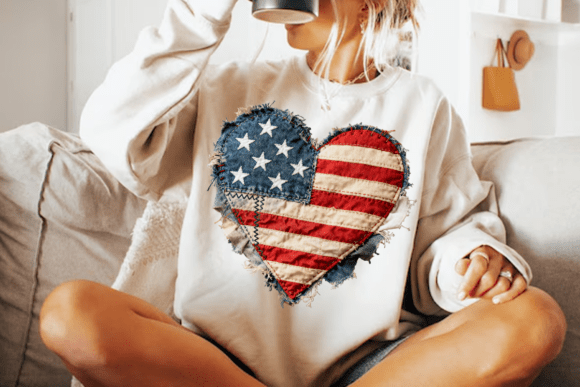
Visually, the asset is a masterclass in controlled texture. It presents the iconic USA flag motif reimagined as a heart shape, but the execution is what sets it apart. The design mimics the look of a patchwork quilt, with individual "fabric" segments pieced together. You'll notice subtle variations in color saturation, faint stitch-line details, and a gentle, imperfect edge that avoids the harshness of a standard clipart heart. Its personality is nostalgic, authentic, and approachable. It communicates patriotism not through stark symbolism, but through the lens of American folk art and quilting traditions, which can feel more inclusive and heartfelt.
Where This Patchwork Heart Truly Shines
The real value of a premium font or graphic lies in its versatility. The Faux Patriotic Patchwork USA Flag Heart excels in projects where emotion and authenticity are key. Think beyond the obvious. Yes, it's perfect for wedding invitations for a couple with a military background or a Fourth of July celebration. But its applications extend far wider.
In brand identity and logo design, it can serve as a powerful emblem for businesses that want to emphasize American craftsmanship, heritage, or community focus. A boutique brewery, a handmade goods shop, or a local service company could build a memorable visual language around it. For editorial design and packaging design, it adds a layer of storytelling. Imagine it on the cover of a cookbook celebrating regional American recipes or as a recurring motif in a magazine feature about volunteerism.
Digital creators will find it equally useful. It's a standout element for social media graphics, especially for campaigns around national holidays, veteran appreciation, or community events. Bloggers can use it to create featured images that resonate with their audience's values. The included high-quality PNG files at 300 DPI ensure it prints crisply on everything from posters and brochures to baby shower invitations and scrapbooking art.
Making It Work: Practical Integration Tips
Integrating a strong visual element like this requires a thoughtful approach. First, consider visual hierarchy. Because the patchwork heart is detailed and textured, it works best as a focal point. Pair it with cleaner, simpler typefaces to avoid visual clutter. A clean sans serif font for body text or a simple serif font for headlines can provide excellent contrast, letting the heart's craftsmanship stand out.
Color palette coordination is crucial. Pull a muted navy, a brick red, or a warm cream from the heart's own palette to use in your typography and backgrounds. This creates consistency and makes the design feel cohesive. For web design, use it as a hero image or a decorative element in a sidebar, but be mindful of file size for fast loading.
Always test the asset in context. Place it on your actual project mockup—whether it's a presentation slide, a flyer layout, or a product label. Does it maintain its impact? Does it align with the project's tone? Its commercial font and asset licensing typically allow for broad use, but double-check the terms if you're creating merchandise for sale. This asset isn't just a decoration; it's a design asset that can elevate brand perception and drive audience engagement by tapping into a deep well of cultural meaning with a modern, handmade twist.
In a landscape saturated with slick, impersonal graphics, the Faux Patriotic Patchwork USA Flag Heart offers a return to something more genuine. It’s a tool for telling better stories, building more relatable brands, and creating designs that people don't just see, but feel.